Neurology
Persistent headache, seizures and stroke care, supported by in-house imaging.
Dr. Aditya Bellala
DM Neuro Physician, General Medicine
M.B.B.S, M.D
- Consulting
- Open 24 Hours · Every day
- Experience
- 7 years
- Speaks
- Telugu, English
What this clinicis actually for.
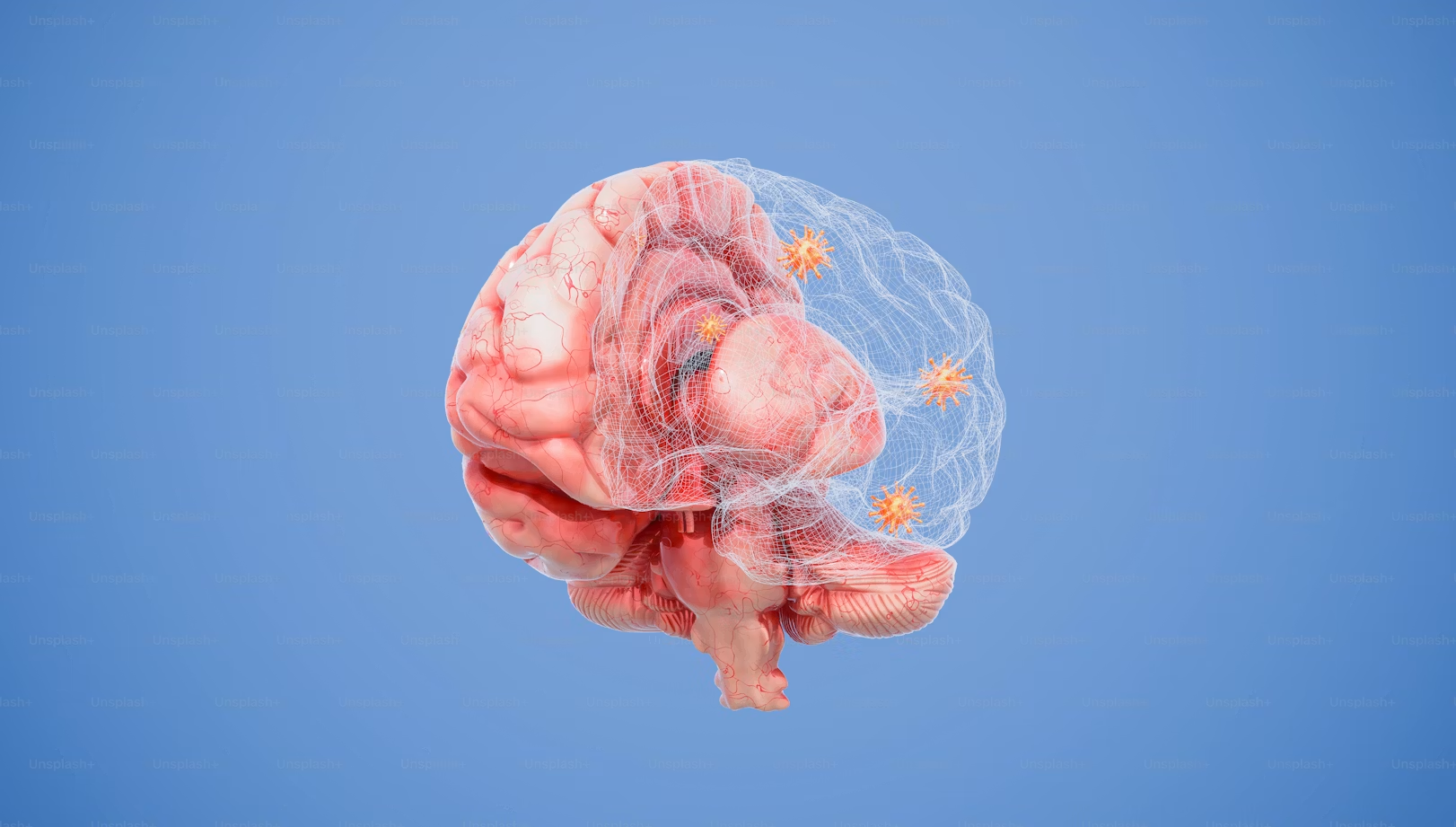
Neurology deals with the symptoms people find most frightening, and where speed matters most. In a stroke, the treatment window is measured in hours - what is done in the first few decides how much movement and speech come back. Outside emergencies, much of the work is patient and long-term: getting seizures fully controlled, cutting migraine frequency, and telling ordinary forgetfulness apart from something that needs treating.
Done in-house, usually the same day: Headache · Seizure · Stroke
- Persistent headacheHeadaches that keep returning, investigated instead of medicated indefinitely.
- MigraineAttacks with light sensitivity or vomiting, and treatment that reduces how often they come.
- Seizures & epilepsyFits assessed and brought under control, with medicines reviewed as you go.
- Stroke assessmentSudden weakness, drooping or slurred speech. Come immediately - do not wait.
- Stroke rehabilitationRegaining movement and speech afterwards, with physiotherapy support.
- Giddiness & vertigoThe room spinning or balance going - separating ear causes from nerve ones.
- Nerve pain and numbnessBurning, tingling or numb hands and feet, often linked to diabetes.
- Weakness in arms or legsLoss of strength or grip that has come on over days or weeks.
- Memory problemsForgetfulness that is worrying the family, assessed properly rather than dismissed as age.
- Parkinson's & tremorShaking, stiffness and slowness - diagnosed and managed for the long term.
- Sleep problemsInsomnia, disturbed nights, and sleeping far too much in the day.
When to wait,and when not to.
Come in straight away if
Don't book an appointment for these. Come to emergency, or call +91 9100005195.
- Face drooping, arm weakness or slurred speech - call for help immediately, note the time it started
- The worst headache of your life, coming on within seconds
- A first-ever fit, or a fit lasting more than five minutes
- Sudden loss of vision, double vision, or difficulty swallowing
- Headache with fever and a stiff neck
- Head injury followed by vomiting, drowsiness or confusion
Lowering the risk
What actually makes a difference, not folklore.
- Control blood pressure - it is by far the largest cause of stroke
- Stop tobacco, and keep alcohol low
- Treat diabetes and cholesterol; both damage small blood vessels in the brain
- Sleep at regular hours - irregular sleep triggers a great many migraines
- Wear a helmet, every ride, including short ones
Looking after yourself
Alongside treatment - never instead of it.
- Never stop epilepsy medicines suddenly - it is the commonest reason fits return
- Keep a headache diary: timing, food, sleep and stress usually reveal the trigger
- Someone with epilepsy should avoid swimming alone, heights and cooking on open flame unsupervised
- During a fit: clear the space, turn them on their side, put nothing in the mouth, time it
- Keep doing the rehabilitation exercises after a stroke - recovery continues for many months
This page is general information, not a diagnosis. It cannot account for your history, your medicines or your test results, and it is no substitute for being examined. If something here matches what you're experiencing, that is a reason to see a doctor - not a reason to treat yourself.